
Everything You Need To Know About The Sacred Valley Peru
Let’s take a look at the basics of the Sacred Valley Peru, and why it’s worth a visit when travelling around Peru.
What Is The Sacred Valley Region?
A large Andean region stretching between 70-100 kilometres (which varies depending on what’s counted as part of the region), the Sacred Valley is found within the mountainous region of Cusco in Peru – and is also close to the same-named gateway city of Cusco. It’s known for its towering Andean mountains that vary from snow-capped peaks in the higher altitude areas, to terraformed green hills lower down which are occasionally used for agricultural activities.
Is It Worth Visiting The Sacred Valley Peru?
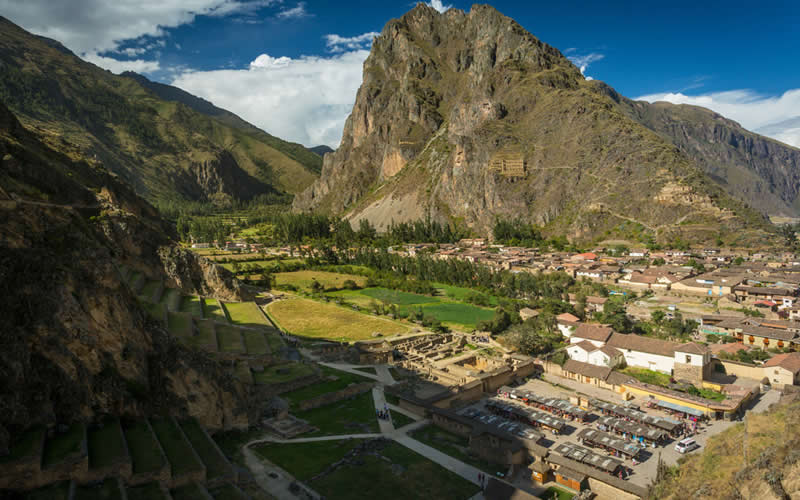
Yes, the Sacred Valley is 100% worth the visit, and is usually one of the top destinations that tourists include on their itineraries around Peru. Easily accessible from the city of Cusco, here we can explore various ruins, charming towns and unique sights as day trips, or even stay in towns for a more authentic travel experience. Pisac, Ollantaytambo and Urubamba are some of the very best hubs for tourists to stay in, given they are centrally-located and close to many top sights.
The region itself is known as once being the beating heart of the Inca Empire, and as such ancient history can be seen in virtually all corners. Towns like the Sacred Village Of Pisac and Ollantaytambo are still lined with streets paved by the Inca themselves, and ruins like those in Pisac, Sacsayhuamán and Moray give us a brilliant insight into their ingenuity and spiritual beliefs. Later in this guide we’ll explore all of the very best sights you can explore in the Sacred Valley region.
How To Get To The Sacred Valley?
The Sacred Valley region is located very close to Cusco, with the city actually forming a natural border and gateway into the region. For this reason getting here is very easy, where we can easily take a taxi, head on a private tour or use private transportation to get here. Some of the best towns to first visit include Pisac, Ollantaytambo and Chinchero (which are the closest to Cusco), as well as Urubamba and Aguas Calientes.
The Best Things To See And Do In The Sacred Valley
Moray Ruins And The Maras Salt Mines (Urubamba)
Two incredibly unique sights located close to each other, these are both really worth the visit. Moray Ruins are a famous Inca site which looks like a circular dome, with each new level once used to manipulate water temperatures and grow a variety of different crops. The Maras Salt Mines is a natural ravine of rich salt deposits, and locals have carved out multi-coloured pools which they harvest and create natural products from.

The Pisac Street Market (Pisac)
One of the very best places to pick up unique souvenirs in the Cusco region, the Pisac market is located in the very heart of the town. Here we can find endless stalls selling everything from Alpaca garments and warm chullo hats to authentic handicrafts and jewellery. Prices are also very modest, making it a great place to buy multiple souvenirs both for yourself and for family and friends back home.
Machu Picchu (Aguas Calientes)
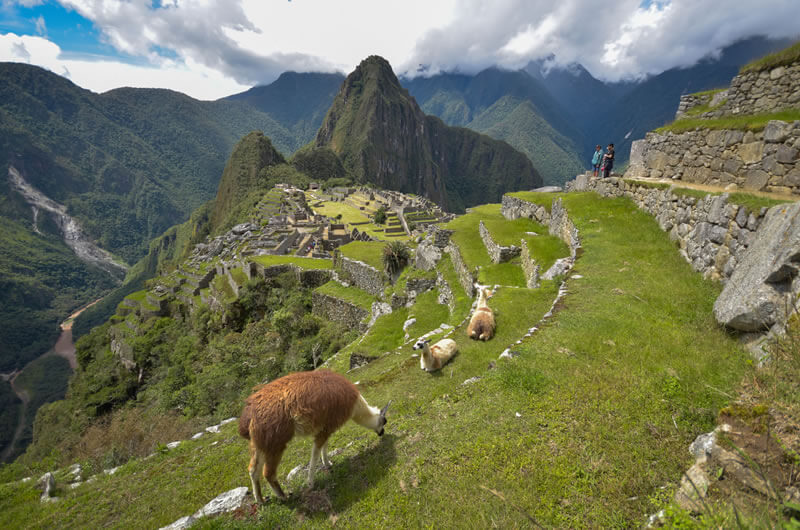
The famous star highlight in all of Peru, Machu Picchu is a truly incredible human feat to be experienced. Built by the Inca civilisation in the 14th Century, Machu Picchu was originally created as a royal estate for the Emperor Pachacutec, as well as for other nobility and high Inca classes. Today tourists can visit this epic site either with a day tour, or by heading on the memorable Four Day Inca Trail To Machu Picchu Trek.
Chinchero Ruins And Colonial Church (Chinchero)
Similar to the Qorikancha Temple in Cusco city, the Chinchero colonial church is also built upon former Inca ruins – which creates a unique perspective that merged two historical periods together. While other ruins like Ollantaytambo Ruins and Pisac Ruins are more popular, here we can get a more authentic view of daily life in the upper Andes, and enjoy scenic views from out over the rolling hills.
The Original Inca Trail (Ollantaytambo)
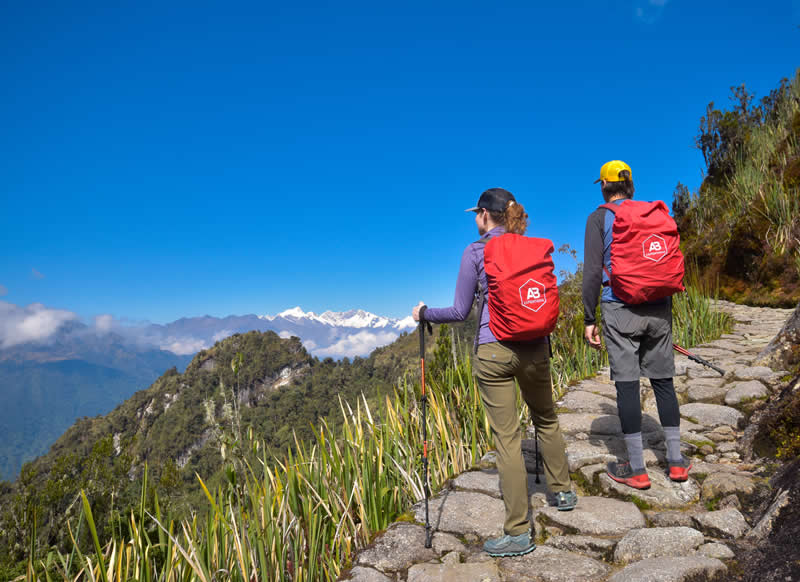
Stretching over 43km from Ollantaytambo to Machu Picchu, the Inca Trail is an ancient stone path that was laid brick-by-brick by the Inca civilization. Requiring a permit to enter, here we can explore gorgeous mountain views and remote ancient ruins on our way to Machu Picchu. Here at AB Expeditions we operate our Most Popular Four Day Inca Trail Tour, which includes all permits, buffet meals, lodging and private transport during your entire trek.
Rainbow Mountain (Vilcanota Mountain Range)
While technically located outside of the Sacred Valley region, Rainbow Mountain is also easily accessible from Cusco within a day – and is a must during any trip to the former ancient Inca capital. Up within the snowy Vilcanota mountains, this beautiful mountain contains all kinds of green, yellow and red shades – all of which are from natural mineral deposits of Iron, Copper and Sulphur. The altitude is high here (over 5000m), so be sure to acclimate properly in Cusco before heading on a tour.
Our Expert Tips For How To Explore The Sacred Valley Peru
The Best Time To Visit The Sacred Valley Region
The dry season remains the most popular time to visit the Sacred Valley region in Peru, which runs from May until September. Here clear blue skies hang overhead virtually all days, creating perfect scenery backdrops when visiting ancient sites and seeing giant Andean mountain peaks. Given it’s the most popular time, you can expect lots of crowds in certain destinations – so it’s worth visiting as early in the day as possible before the large tourist buses begin to arrive.
The wet season runs from October until April, and has its own unique advantages. While wetter (especially between December and March), there’s a more authentic local vibe as less tourist crowds are here, while the green scenery really pops and stands out given the recent rains. The very best months overall are the shoulder season months of April, May and October – which combine great weather with less crowds and perfect scenery.
Buying A Boleto Turístico To Visit Key Sights
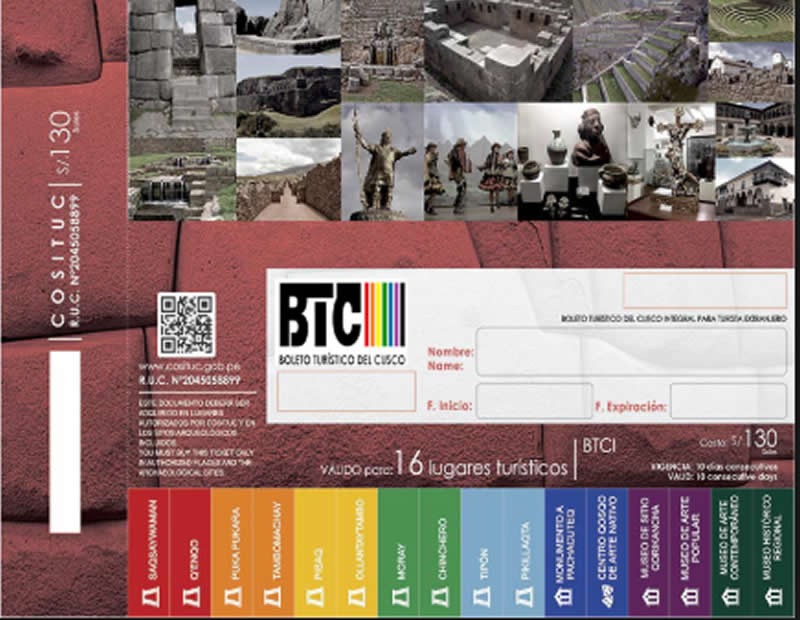
While in other areas of Peru you can simply pay for one individual site, here it’s mandatory to have one of these passes to enter each site. Now although it seems like an inconvenience – a lot of the other sites included are well worth the visit (many of which we’ve covered in this guide) – and getting between them is very easy where most can be seen in just a couple of days.
The ticket is called a Boleto Turistico Integral, the ticket that allows you to enter the sites managed by the ministry of culture in Cusco and the Sacred Valley. This Sacred Valley permit is priced at 130 soles for foreign adults and valid for 10 days. On the other hand, there is what is known as Boleto Turistico Parcial, which is exclusively to visit the ruins in the Sacred Valley priced at 70 soles and valid for 2 days. More about ticket types students, children at the official website of the ticket office https://cosituc.gob.pe/ or get them personally at Av El Sol 185 near the main square In Cusco.
Using Public Transport Vs Heading On An Organised Day Tour
There’s two main ways to get around and explore the Sacred Valley. Independent travel using public transport is very easy, with colectivos flying around most hours between Cusco and towns such as Ollantaytambo, Pisac and Urubamba. Ticket prices are as cheap as 5 Soles for a one-way ride, with journeys taking between 1-3 hours. It’s important to know that these public vehicles have no schedule – and also wait to fill up before leaving which can sometimes create delays.
The other way is by heading on an organised day tour from Cusco. This is much better for those who prefer a guided experience with experts of the region, and having comfortable, quicker private transport between all of the top destinations. Here at AB Expeditions we run our very own Private Sacred Valley Day Tour, which you can customize using different routes to really make the most of your time here.
Frequently Asked Questions About The Sacred Valley Peru
Below we’ll now answer some of the frequent questions we get about the Sacred Valley Peru, as well as anything else important that you need to know before visiting.
Should I Go To Sacred Valley Or Machu Picchu First?
Logistically, it makes sense to visit the Sacred Valley first. This is because from Cusco, you actually have to pass through this region to reach Machu Picchu – with all trips visiting Ollantaytambo to change buses or trains. For this reason we would recommend heading on a Combined Sacred Valley And Machu Picchu Tour, as you’ll see some great mind-preparation sites (such as Ollantaytambo Ruins, Pisac and Moray Ruins) before arriving at the star highlight of Machu Picchu.
What Is Special About Sacred Valley?
There are many special and incredible reasons to visit the Sacred Valley Peru. Firstly, ancient history in this region stretches back several thousands of years, and many remnants and ruins of past civilisations still stand to this day. It’s here where we can also see jaw-dropping Andean vistas, and especially around Ausangate, Salkantay and towns like Pisac and Ollantaytambo.
How Long To Spend In Sacred Valley Peru?
This really depends on your own travel goals, and what type of rhythm you like when travelling. For those who are in a rush and want to quickly tick all the main highlights, then you’ll need a minimum of roughly 2-3 days. If you want to take your time and really get the feel of each destination, and also see lesser-known sites like the markets of Chinchero and Perolniyoc Waterfalls, then 5-7 days is a much better timeframe to plan around.
How High Is The Sacred Valley?
Of all of the places included in the current Sacred Valley tours, the only place that sits at a higher altitude is Pisac ruins, reaching 3347 m high. Then the journey from Pisac town 2 900 m inclines down to 2 800 m in Ollantaytambo. If you are including Chinchero village, then you will be back to a high elevation of 3 700 m.
Overview Of The Sacred Valley Peru
And that’s all for this comprehensive guide on visiting the Sacred Valley Peru.
One of Peru’s most beautiful and mysterious regions, the Sacred Valley easily ranks as one of the best overall areas you can visit on the South American continent. Ancient Inca ruins such as Ollantaytambo, Moray and Pisac are perfect for exploration, while we can also enjoy visits to more unique destinations such as the Maras Salt Mines, Rainbow Mountain up in the Vilcanota Mountain Range, as well as the unforgettable citadel of Machu Picchu.
Are you looking for the most complete and simple way of seeing all of the best sights in the Sacred Valley? Here at AB Expeditions we operate an Unforgettable Sacred Valley Day Tour, which focuses on the best highlights where we’ll also have private transport and expert local guides teach us about each incredible sight along the way.

My name is Abel, and I am the co-founder of AB Expeditions, a local travel company based in Cusco. I was born in Chinchero, in the community of Chusso. My journey began working as a farmer, then later as a porter on the Inca Trail. After that, I studied to become a tour guide, learned English, and spent 20 years guiding different treks around the Cusco region.
Over the years, I began writing blogs about the treks I’ve done and sharing useful tips about traveling in Cusco. Eventually, I founded AB Expeditions to offer authentic travel experiences with a strong commitment to supporting local communities and creating unforgettable adventures for our guests.
- Abel

- Abel
- Abel
- Abel
