Things to know
- Crowds: Visitor numbers are generally low during the first three weeks of December. However, they increase significantly in the final week due to the Christmas and New Year holidays. During this period, you may encounter larger groups and longer lines, particularly at Machu Picchu.
- Orchids and Seasonal Flora: As December falls within the rainy season, you will encounter blooming orchids and a wide variety of seasonal flowers along the trail. These add vibrant color and a renewed sense of life to the landscape.
- Some Dates Still Sell Out in Advance: Although December as a whole does not typically sell out, certain departure dates—especially in the last week of the month—can become fully booked due to holiday demand. It is advisable to secure permits in advance if traveling during this time.
- Excellent Photography Conditions: December can offer excellent opportunities for photography on certain days. The combination of bright sunlight, occasional dramatic cloud formations, and lush green scenery creates ideal natural lighting conditions.
- Unique Natural Sounds: A distinctive feature of December is the presence of small toads along sections of the Inca Trail. Their calls are particularly noticeable after the second campsite, Pacaymayo, as you hike toward the second pass and continue to Phuyupatamarca. This creates a unique and memorable auditory experience along the journey.
- Rainy Season Transition: Although December marks the beginning of the rainy season, there are still short periods of clear, sunny weather. If your Inca Trail hike coincides with these intervals, the experience can be particularly enjoyable. Locally, these brief sunny periods are known as “veranillos”.
Weather and Trail Conditions
- Rain: December marks the beginning of the rainy season. Weather conditions are variable, with a combination of sunny and rainy periods throughout the day. Rain most commonly occurs in the afternoon or evening, although it may also fall in the morning, often followed by clearer skies later. In some cases, rain may persist for two or three consecutive days, followed by several days of sunshine; for example, three rainy days may be followed by five sunny days, or two days of rain by three days of clear weather. It is important to note that rainfall is not constant, and extended periods of uninterrupted rain are uncommon.
- Temperature: During December, daytime temperatures along the trail generally range from 15°C to 25°C (59°F to 77°F), providing comfortable conditions for trekking. Nights are cooler, particularly at higher-altitude campsites, although they are not as cold as during the peak winter months. Nighttime temperatures typically range between 3°C and 7°C (37°F to 45°F). The lowest temperatures are usually experienced at the second campsite, located above 3,600 meters, where the higher elevation makes the cold more noticeable.
- Visibility: Visibility in December can be variable, with some days offering clear views and others more limited conditions. During the first and second days of the trek, visibility is generally good, even during light rain, although mountain peaks may be partially covered by mist. The third day often presents more challenging conditions, as the trail passes through cloud forest areas where low clouds and mist frequently obscure the views. On the final day, at the Sun Gate, mist may sometimes cover the classic view of Machu Picchu, depending on the weather conditions.
Pros Of Hiking Inca Trail In December
- Ideal Conditions for Time-Lapse Photography and Video: December marks the beginning of the rainy season along the Inca Trail, bringing increased rainfall and constantly shifting cloud formations over the mountains. These dynamic atmospheric conditions, combined with intermittent rain and low-lying clouds, create excellent opportunities for capturing dramatic time-lapse sequences and visually striking landscape imagery.
- Vivid Rainbow Displays: The combination of rainfall followed by periods of sunlight frequently produces vivid rainbow formations across the Andean landscape. These natural phenomena add a distinctive and colorful dimension to the trekking experience.
- Mild and Comfortable Temperatures: As the final weeks of December coincide with the beginning of summer in the Southern Hemisphere, temperatures are generally moderate. Nights and early mornings tend to be less cold than during the dry season, making camping and early departures more comfortable.
- Blooming Flowers and Native Orchids: The rainfall revitalizes the vegetation along the trail, encouraging the blooming of a wide variety of flowers, including native orchids. This seasonal growth adds vibrant color and botanical diversity throughout the route.
- Natural Shade from Cloud Cover: The increased presence of clouds and occasional mist during the day provides natural shade, reducing direct sun exposure and contributing to more comfortable hiking conditions overall.
- Fewer Visitors on the Trail: Compared to peak travel months, December typically sees fewer hikers on the Inca Trail. On certain dates, permits may reach only around 50% of their capacity, allowing for a quieter and more peaceful trekking experience.
- Greater Availability of Permits: Due to lower demand, it is often easier to secure Inca Trail permits, sometimes even within a week in advance. This offers greater flexibility for travelers who do not plan their trips far ahead.
- Seasonal Waterfalls Along the Trail: The rainfall contributes to the formation of temporary waterfalls along the trail. These cascades, often visible during the hike, enhance the scenic beauty and add a unique charm to the overall experience.
- Lush Green Landscapes: The increased rainfall transforms the landscape into vibrant green scenery. The mountains and valleys appear more alive, creating a visually rich and refreshing trekking environment.
Cons Of Trekking Inca Trail In December
- Partial Mist Covering the Mountains: With the arrival of the rainy season, low clouds and mist may occasionally obscure mountain views, particularly on days with rainfall. This can reduce long-distance visibility of the surrounding peaks, especially on the third day, as this section of the trail passes through cloud forest environments.
- Discomfort During Rainy Days: Hiking during rainy conditions can make the trek less comfortable. The combination of cold temperatures and moisture may affect overall enjoyment, especially if rain persists for several hours.
- Morning Mist at Machu Picchu: On some mornings, Machu Picchu may be covered in mist. In such cases, it is often necessary to wait at the viewpoint until the clouds gradually clear in order to obtain the classic panoramic view.
- Mist at the Sun Gate (Inti Punku): On rainy days, the area around Sungate can become enveloped in mist. Visibility of Machu Picchu may be limited, and in some instances, the clouds may not fully clear, meaning hikers may need to continue without the iconic first view from this viewpoint.
- Increased Mosquito Activity: As humidity rises with the onset of the rainy season, mosquito activity becomes more noticeable, particularly in warmer and more humid sections of the trail.
- Wet and Muddy Trail Conditions: Rainfall can make certain sections of the Inca Trail wet and muddy, requiring additional caution while hiking to maintain safety and stability.
- Occasional Nighttime Storms: Heavy rainfall accompanied by thunder and lightning may occasionally occur at night. Although campsites are typically located in safer, lower-altitude areas, the sound of thunder can be intense. These storms are not frequent, but they may occur approximately once during the month.
Recommendations
- Prepare Properly for December Conditions: If you are planning to hike the Inca Trail in December, it is essential to bring high-quality rain gear, such as a waterproof jacket and rain pants, in order to make the most of your experience. Rainfall becomes more frequent during this period, and showers can occasionally be heavy.
- Protect Your Electronic Devices: To safeguard your smartphone, camera, and other electronic equipment, it is strongly recommended to carry sealed plastic bags or dry bags. This simple precaution will help protect your devices from moisture during unexpected rain along the trail.
- Use Waterproof Covers for Your Daypack: Bring waterproof rain covers to protect your personal belongings inside your daypack from rain and humidity.
- Wear Proper Trekking Shoes: Good-quality trekking shoes with strong grip are essential, as the trail can become muddy and slippery during the rainy season.
- Stay Informed Through Official Updates: We highly recommend following our Instagram page (https://www.instagram.com/abexpeditions/). We regularly share monthly videos of the Inca Trail, updates on permit releases, changes in regulations, and important information such as strikes or other situations that may affect travel on the trail.
- Bring Warm Clothing for High Camps: Although December is generally warmer than the dry season months, temperatures in the mountains can still feel cold, especially during rainy days and at higher campsites, such as the second campsite. Proper layering is essential to maintain comfort.
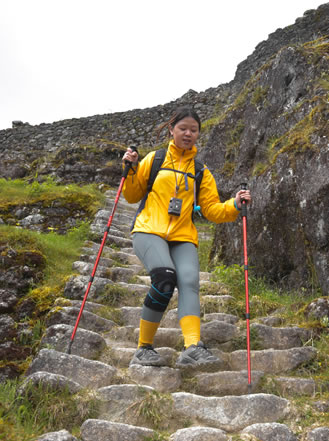
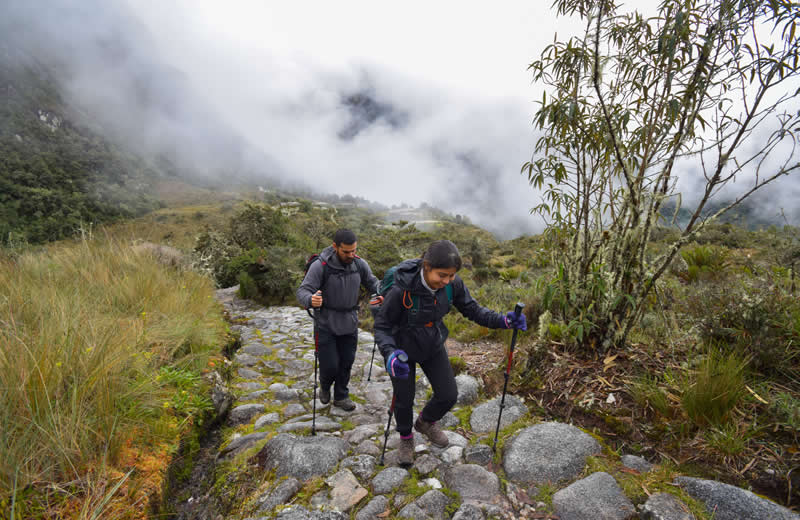
- Use Hiking Poles for Safety: Hiking poles are highly recommended, particularly when the trail becomes wet and slippery. They provide additional stability and significantly improve safety throughout the trek.
- Secure December Permits Early: If you are planning to hike in December, it is still advisable to book your permits in advance. This increases your chances of obtaining your preferred departure dates and better campsite allocations.
- Bring Waterproof Gloves if Using Trekking Poles: If you plan to use trekking poles, waterproof gloves are highly recommended. They will help keep your hands dry and comfortable, especially during rainy and cold conditions.
Do you have a rough idea of when the permits for December sell out by?
Most of the time, the Inca Trail permits for the last 2 weeks of December run out 1 month in advance, because of the Christmas and New Year vacation for Peruvians and for people who live in South America so they come to hike the Inca trail. However, for the first week of December the Inca trail permits never run out.
Frequent Asked Questions About Inca Trail in December
Does It Rain On the Inca Trail In December?
Yes, it rains on the Inca Trail in December, as this month falls within the wet season in the Peruvian Andes. December marks the beginning of the rainy season. During this time, travelers can expect frequent showers and potentially challenging trail conditions, such as muddy paths and swollen streams. While the lush green scenery and fewer crowds can be appealing, the increased rainfall requires adequate preparation and caution for those undertaking the trek.
Is December A Good Time To Do The Inca Trail?
December can be a mixed time to embark on the Inca Trail to Machu Picchu in Peru. While the weather during December is generally warm and pleasant with fewer crowds compared to peak season (June to August), it’s also the rainy season, which can result in muddy and slippery trails, as well as occasional heavy downpours. Therefore, while December offers the advantage of fewer tourists and comfortable temperatures, travelers should be prepared for the possibility of rain and its associated challenges when considering this time for their trek on the Inca Trail.
What Is The Average Temperature For The Inca Trail In December?
The average temperature for the Inca Trail in December typically ranges from 8°C to 25°C (46°F to 77°F) during the day, while nights can be considerably cooler, dropping to around 0°C to 5°C (32°F to 41°F). These temperatures may vary depending on the specific location along the trail and the altitude, with higher elevations experiencing cooler conditions. It’s advisable for trekkers to come prepared with appropriate clothing layers to stay comfortable throughout their journey.
Is the Inca Trail Open In December?
Yes, the Inca Trail in Peru is open in December. While December is part of the rainy season in the region, the trail remains accessible for trekking during this time.
Is Inca Trail Crowded In December?
Yes, the Inca Trail can be crowded in December, especially during the first last 2 weeks which coincide with the Christmas and New Year holidays. However, the first 2 weeks are less crowded.
Is There A Risk Of Landslides On The Inca Trail In December?
December marks the beginning of the rainy season. During this period, rainfall increases; however, the ground has not yet reached full saturation, which generally reduces the likelihood of significant landslides. As a result, major landslides are uncommon at this time of year.
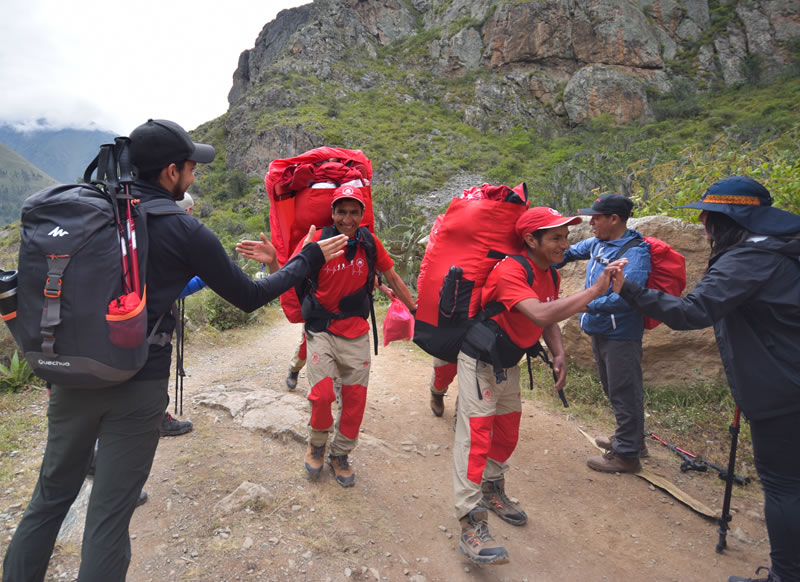

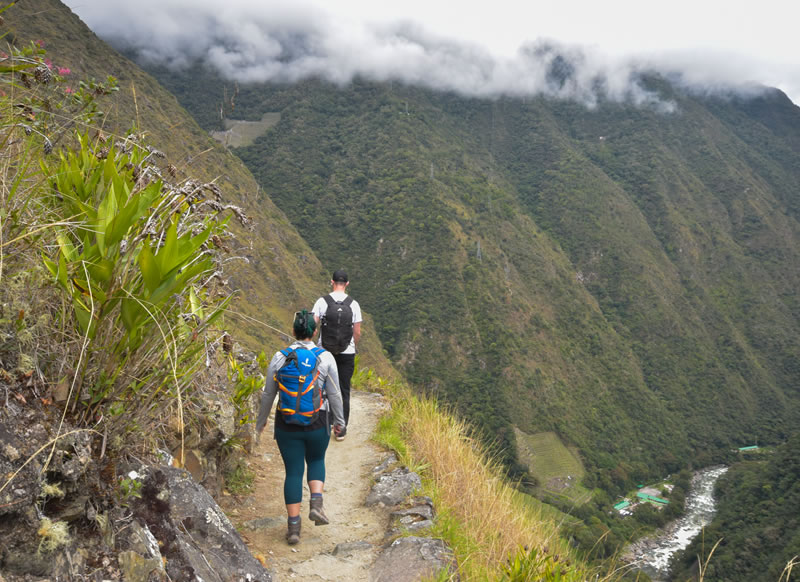

My name is Abel, and I am the co-founder of AB Expeditions, a local travel company based in Cusco. I was born in Chinchero, in the community of Chusso. My journey began working as a farmer, then later as a porter on the Inca Trail. After that, I studied to become a tour guide, learned English, and spent 20 years guiding different treks around the Cusco region.
Over the years, I began writing blogs about the treks I’ve done and sharing useful tips about traveling in Cusco. Eventually, I founded AB Expeditions to offer authentic travel experiences with a strong commitment to supporting local communities and creating unforgettable adventures for our guests.
- Abel

- Abel
- Abel
- Abel