
Everything You Need To Know About The Cusco Train Station
How Many Cusco Train Stations Are There?
Within the city of Cusco, there are three main stations to choose from. The first is the San Pedro Station, which heads directly to Aguas Calientes (just below Machu Picchu), and is the closest to the heart of the city just a few blocks from the San Pedro Market. The second is Poroy Station, which is in the outskirts of Cusco roughly 20 minutes by taxi, and also heads to Aguas Calientes. Finally we have the Wánchaq Station – which is actually a bimodal bus transport system near the Plaza de Armas – which connects with buses to Ollantaytambo (and onwards to Aguas Calientes), and also has sleeper trains heading to Arequipa and Puno.
Which Is The Best Cusco Train Station To Head To Machu Picchu?
Overall, the San Pedro Station is the best option for travellers wanting to head to Machu Picchu ruins directly by train from Cusco. It’s located just a short walk from the bustling San Pedro market, making it one of the most accessible options for those staying in the popular Historic Center and San Blas districts. It’s important to know that it can sometimes close during wet season months (between January and April), however there are plenty of alternative ways of getting to the sacred Inca site.
The best alternative is the Wánchaq Station, which is just a 15 minute taxi ride from the main Plaza de Armas. While trains don’t directly depart from here, there is instead a bimodal system where companies like PeruRail and IncaRail drive tourists from this station to Ollantaytambo by bus – where you will then take your scenic train to reach Machu Picchu. Unlike San Pedro which can sometimes close due to bad weather, the Wánchaq Station is usually open all year.

Frequently Asked Questions About The Cusco Train Station
Below we’ll now answer some of the frequent questions we get about the Cusco train station, as well as anything else important that you need to know.
Where Is The Train Station In Cusco To Machu Picchu?
For those who want a direct train to Aguas Calientes (the town below Machu Picchu) from Cusco, then you’ll want to head to San Pedro station within the city – which is right next to the San Pedro Market. There’s also Poroy station in the outskirts which might be a better choice for you if you’re staying outside of the Historic Center area. Finally there is the Wancháq Station which is near the Plaza de Armas, although this has a bimodal (bus + train) transport service to the ruins and not direct trains.
Which Is The Best Train Station In Cusco?
The majority of travellers agree that the San Pedro Station is best for those who want the most simple and direct route to Machu Picchu from Cusco. Only a short walk within the Historic Center, you can board a direct train early straight to Aguas Calientes, without needing to take extra taxis or transfer in a bus. It’s important to know however that this station can sometimes close during wet season months (January until April) – so you may need to choose a different departure point instead.
Which Is Cheaper, PeruRail Or IncaRail?
Both PeruRail and IncaRail offer a variety of different train fares for passengers heading to Machu Picchu from Cusco, with both offering budget train services (PeruRail with the Expedition Train, and IncaRail with the Voyager Train). Overall IncaRail usually wins on the lowest price (around $55-60 one-way), but only marginally compared with the cheapest option offered by PeruRail (around $60 one-way).
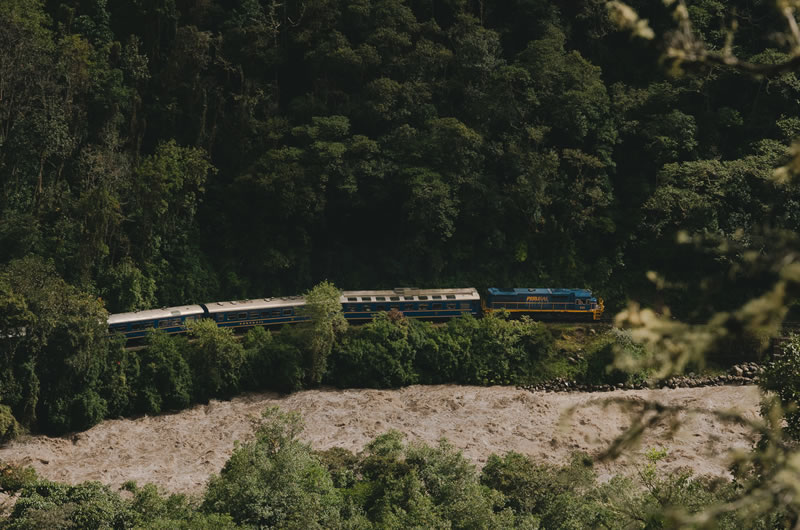
Overview Of The Cusco Train Station
And that’s all for this guide on the different Cusco train stations, and which is the best choice for different travellers.
The imperial Inca city, Cusco is known as the main gateway point of visiting Machu Picchu – with these fascinating ancient ruins a must visit for anyone that is travelling around Peru. Overall there are three different Cusco stations to choose from – which all head to Aguas Calientes below Machu Picchu – and therefore vary only on their location, and whether you take a direct train or a bimodal bus + train combination to get to the sacred ruins.
Looking for the most simple and memorable way of visiting Machu Picchu? Here at AB Expeditions, we offer an Unforgettable Overnight Machu Picchu Tour, which includes all private transport, a hotel stay, meals and an exclusive Machu Picchu tour with our expert local guides.

Peru Travel Expert
- George Alvarez

- George Alvarez
- George Alvarez
- George Alvarez
