
Is The Inca Trail Dangerous?
Quick Answer: Overall the Inca Trail is safe to be hiked, although you’ll still need to use common sense. This means sticking to the path, backing away from potentially lethal animals as well as being in fairly good shape before joining the trek.
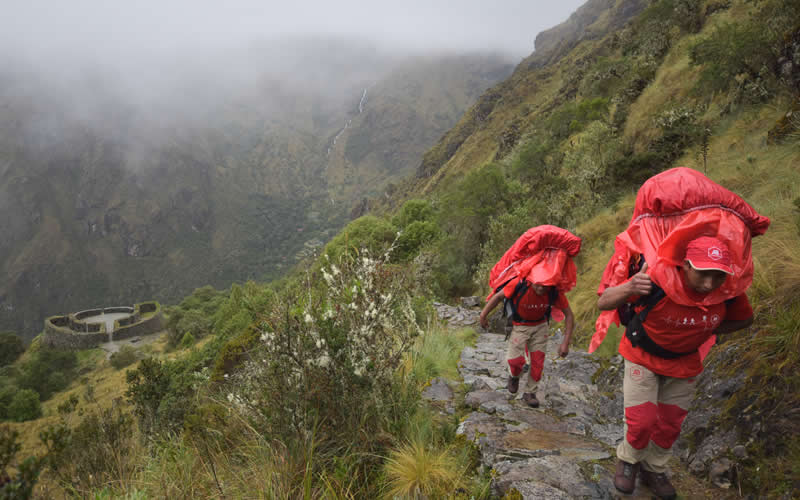
The trail itself (which is 43km long, starting in Piscacucho and ending in Machu Picchu) is well-maintained, with clear stone steps that point out the direction. It’s important to know that the stone steps are not perfectly uniform, so it’s crucial to always look where you walk and to use good quality hiking boots. While there are sometimes some high parts with steep edges, you’ll be completely fine as long as you stick to the path and follow instructions from your lead trekking guide.
At ABExpeditions you’ll always be accompanied by an experienced and knowledgeable guide anyway, who will steer you clear of any potential hazards whilst also telling you other things to watch out for.

The Main Risks When Hiking The Inca Trail
Risk 1: Personal Injuries When Walking
Although there is a clear path you will be following with your guide, we are still very much out in the remote Andean mountains here.
This means you’ll always need to watch your step, as you could easily trip and sprain your ankle. You’ll especially need to be careful when walking up or down steep gradients since these carry more risk.
The same risk applies regardless if choosing the long treks or The Shorter 2 Day Inca Trail Hike.
How To Mitigate This Risk: Always keep an eye on the path when walking as stone steps are uneven and cause trips with those who aren’t cautious. Also be sure to wear good high quality hiking shoes which lessen your risk or tripping or skidding on the Inca Trail.
Risk 2: Wild And Dangerous Animals On The Inca Trail
Seeing wild animals along the Inca Trail is a true delight, as there are some really beautiful species to be observed.
However there are some which we need to stay away from, which include Spectacled Bears, Pumas and Poisonous Snakes. Thankfully though these animals tend to stay well away from humans anyway, however if encountered during your trek be sure to keep your distance.
How To Mitigate This Risk: Always keep your distance if you see a wild animal on the Inca Trail, and especially in case of Spectacled Bears or Snakes. Let your lead guide go first, who is trained to deal with any wild animals that can be found along the route.
Risk 3: Altitude Sickness
The most common complaint of those who attempt the Inca Trail (or any other high altitude trek) is altitude sickness. Also known locally as Soroche, this condition can result in unpleasant symptoms such as nausea, headaches and even temporary sickness.
This is due to lower levels of oxygen in the air at these heights, which make breathing and other usually easy activities more difficult.
Later in this guide we’ll explore the different methods you have to preventing altitude sickness.
How To Mitigate This Risk: While the altitude of the Inca Trail is low compared to others in the region (here it’s between 2400-4125m), we still suggest spending two days in Cusco prior so your body can naturally acclimate before hiking the Inca Trail to Machu Picchu.

Risk 4: Landslides And Changing Topographies
Whilst landslides can technically occur at any time, they are most likely to happen during the wet season (between the months of January and March). This extra rain loosens the rocks which can then fall off the cliffs and onto the paths.
These mostly occur along the trail, although they have also happened in certain campsites too (however there is little to worry about since tents are positioned away from these potential-landslide areas).
You can learn more about the different Inca Trail campsites and how they are each kept safe.
How To Mitigate This Risk: Of course if hiking between May and October then these won’t be issues for you as it’s the dry season. However, if hiking the Inca Trail in the rainy season between November and April, then just keep an eye on your surroundings and stick to the trail. Again your guide will recognise any risks and will keep your group as safe as possible.
Risk 5: High Drop Sections
On certain parts of the Inca Trail (especially on days 3 and 4), there are some high sections of the path with steep drops.
However the path remains very wide and completely safe – providing that you walk near the mountain and not right on the edge, and also walk at manageable pace and are aware of your surroundings. Again your lead trek guide knows the entire route back-to-front, and will advise you of any challenging sections and how to best navigate them.
How To Mitigate This Risk: When you reach certain sections of the Inca Trail that have high drops, remember to walk on the other side (furthest from the drops). Again just remember to use common sense and walk slowly while navigating these sections of the Inca Trail.
Risk 6: Weather Conditions
Sometimes trekkers can worry about the weather, however you will be completely fine when packing properly for the Inca Trail.
The biggest risk is the intense sun during long hiking days where sunburns are possible – so make sure to keep reapplying sunscreen where needed. At night the temperatures are cold but completely manageable with warm layers. Please note that between November and March rainfall can be heavy and make the trail slippery – so be sure to use quality hiking boots.
How To Mitigate This Risk: Packing properly is by far the best way to prevent weather from ruining your trek. Short layers and sunscreen are needed for the day, as well as warm layers for the night. Good trekking boots are ideal any month of the year, while rainproofs and a slow pace are needed for the rainy months.
How To Prepare Properly And Avoid The Biggest Dangers On The Inca Trail
While many wonder if the Inca Trail is dangerous, the truth is that much of your safety comes down to how well you prepare before you even head on the trek itself. Read on below to find out how you can get ready before embarking on your hike.
Understanding Key Risks And Putting Them In Perspective
Paradoxically, by reading about certain risks of the Inca Trail and knowing just how uncommon they are, you’ll actually relax a lot more vs someone who gets told about a risk on the trail and starts to panic if they have made a wrong decision. Again be sure to read the last section about common worries of trekkers and the dangers of the Inca Trail for a more informed and balanced view on what it’s actually like when out on the trail.
Packing Properly For The Inca Trail
We also touched on this lightly in the section of weather, however packing properly needs to be restated many times. Given temperatures and conditions can vary a lot on the Inca Trail, you’ll want to make sure you’ve got light layers and sunscreen for the hot days, and thick jumpers and a coat for the cold nights. If heading during a wet season month, make sure you bring a poncho or rainproofs, and hiking boots or shoes with good tread for stability when walking along the stone steps.
Being In Good Shape Before Leaving For Your Trek
While you don’t need to be a super athlete to be able to hike the Inca Trail, you do need a decent level of fitness. Here we will be walking for 5-7 hours each day, so heading on some preparation treks the months prior back home is a good way of getting a solid level of fitness. Most people finish the trek with little issues even if they don’t train – however for the most relaxing and comfortable experience we suggest following a type of Inca Trail fitness plan so you can be ready when the day comes to leave on your trek through the Andes.
Acclimate Properly In Cusco The Days Before Your Inca Trail Hike
The altitudes along the Inca Trail can be somewhat challenging (between 2400-4215m), given we will hike for multiple days through different terrains and biomes, and also experience big changes in elevations. Be sure to spend a few days in Cusco to let your body naturally acclimate – and to also drink Coca Leaf Tea to prevent you from getting any altitude sickness symptoms. You can also use medications like Diamox (if cleared by your doctor) or Soroche Pills which are the most effective form of preventing or managing symptoms.
Choose A Reputable Inca Trail Operator
A really important decision is who you will choose to hike the Inca Trail with. There are over 200 licensed operators who provide all kinds of Inca Trail trips and treks, however safety protocols and experience levels can really vary between them. It’s crucial that you properly look up any company before on Google to read reviews from real hikers that have been with them, and also to ask the operator any questions or doubts you might have before you book so you can feel confident that they are the right choice for you.
Why You Should Choose AB Expeditions For Your Inca Trail Trek
Here at AB Expeditions, we have several decades of experience leading Inca Trail treks, and have thousands of satisfied hikers who had an unforgettable time.
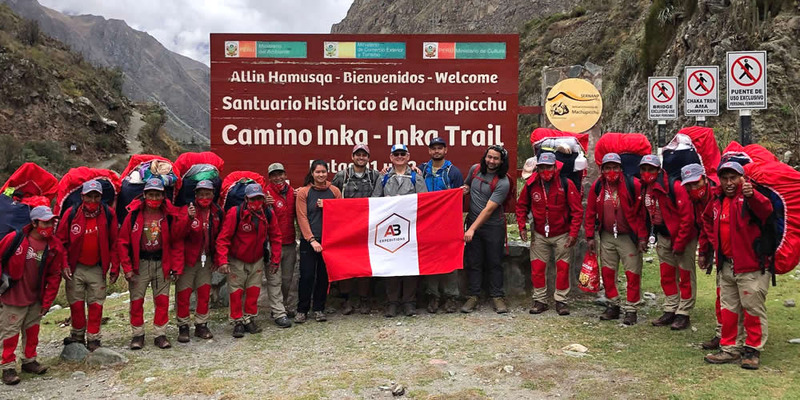
We only operate small hiking groups of a maximum of 8 passengers, which means you’ll have a more fun and intimate experience on Our Four Day Inca Trail Hike – unlike being in bigger groups which can get delayed or feel disjointed at times. Our lead Inca Trail guides are highly experienced and know the trails very well, meaning you’ll both be in safe hands and also benefit from their knowledge of the route (all guides are locals from the region, so will tell you local tales, show you the best viewing points and much more!).
You will also benefit from an exceptional service when hiking the Inca Trail with us. We provide warm tents and gear for our guests which allow you to have a comfortable night’s sleep up in the cooler Andes, and our team of porters will also help to make your trip more fun and personable. Our experienced chefs will also join the trek – preparing three tasty buffet-style meals every day of the trek for you to enjoy both before and after your day of hiking.
Staying Safe On The Inca Trail FAQ
Using our extensive hiking experience along the Inca Trail, we’ll now answer some of the most frequent questions we get about staying safe when hiking along this route.
What Happens If You Get Injured On The Inca Trail?
Given the different risks present, sometimes there are cases when hikers are unable to compete the Inca Trail. If this happens, then your guide will take you back down with a horse to the main road, where you will then travel back to Cusco. If you are at a more remote point of the trek (where there are no horses available), then your guide or reliable porters will help to carry you back down.
Can You Fall Off The Inca Trail?
Technically speaking it is possible, however you would really have to go out of your way to actually fall off the trail. The most likely cases would be when a tourist heads off to take photos in areas where they shouldn’t be. This is very rare though, and actually very little accidents of these cases have occurred (especially in comparison with those at the site of Machu Picchu).
How Can I Avoid Getting Altitude Sickness?
There are numerous ways to avoid getting this common illness. The first method is to spend at least 48 hours within Cusco before starting the hike, which will help your body acclimate to these higher altitudes. During the Inca Trail hike, you can drink Coca Leaf Tea as well as take Soroche Pills which help your body to adjust and prevent any altitude sickness symptoms.
What Is The Scariest Part Of The Inca Trail?
This really depends on each hiker, but most agree that sections with high drops are the most scary of all on the Inca Trail. These can be found between Wiñay Wayna ruins and the Sun Gate on the fourth day, as well as when hiking down from the Sun Gate to Machu Picchu. The Short 2 Day Inca Trail also has many high drops during the trail as we start from a different point of Chachabamba – but is also safe as long as you walk slowly and follow your guide’s instructions.
Are There Snakes On The Inca Trail?
While there are certain snake species in the region, they are very uncommon to find on the Inca Trail – and are mostly present at lower and warmer altitudes. This means we will rarely see snakes on the first two days in the higher Andean passes, however it’s more likely to see snakes during the last two days. Species include the Peruvian Fer-de-Lance and Coral Snakes – however again they avoid humans so it’s highly likely we won’t see any when sticking to the well-trodden stone steps of the Inca Trail.
Can A Beginner Hike The Inca Trail?
Yes, beginners can safely and enjoyably hike the Inca Trail to Machu Picchu. It’s important that beginners firstly prepare properly by training before their trek, bringing the right equipment and acclimating in Cusco for a few days before. During the trek itself, you’ll also want to follow the tips laid out in this article, as well as any key safety tips that your guide tells you both before and during the hike.

Is The Inca Trail Dangerous?
And that’s all for this guide on whether the Inca Trail is dangerous to hike.
Hikers and travel enthusiasts all around the world come to hike the Inca Trail here in the Peruvian Andes, where we can experience incredible archaeological ruins, unrivalled scenery and also the intimate local culture. Overall the Inca Trail is safe, however there are a few risks you’ll need to watch out for (which includes sticking to official paths and also keeping an eye out for snakes).
This is all part of the experience though, and are things that you can easily prepare for before heading on the memorable Inca Trail route. Here at ABExpeditions you’ll have an experienced guide on-hand to teach you about these risks, who will always keep you and your group safe along the trek.
Are you thinking of heading on the Classic 4 Day Inca Trail? Read more about this Classic Inca Trail Hike and learn why this memorable experience is a must when in Peru!

Peru Travel Expert
- George Alvarez

- George Alvarez
- George Alvarez
- George Alvarez
