Things to know
- Crowd Levels Vary Throughout the Month: The first and second weeks of March are generally less crowded, as Inca Trail 4 day permits are not yet fully booked. In contrast, the last two weeks of the month are usually busier, with most permits sold out and daily capacity often reached.
- One of the Wettest Months of the Year: March is considered the third wettest month for hiking the Inca Trail. Travelers should be prepared for muddy sections of the trail, high humidity, and occasional heavy rainfall, particularly in the afternoons.
- Increased Demand During Semana Santa (Holy Week): If Semana Santa (Holy Week) falls in March, Inca Trail permits typically sell out much faster than usual. This period attracts a large number of domestic and Latin American visitors, as many people travel during the holiday week. As a result, securing permits well in advance becomes essential.
- Still Part of the Rainy Season: March is officially classified as part of the rainy season, which means it is not considered the ideal month for trekking the Inca Trail. However, the trail remains open, and hiking is fully possible for travelers who are prepared for wet conditions.
- Weather Gradually Improves Toward the End of the Month: Rainfall generally starts to diminish as March advances. By the final weeks of the month, weather conditions tend to become more stable, and heavy rainfall is less frequent.
- Reopening After February Maintenance: All Inca Trail routes reopen on March 1st following the annual maintenance closure in February. From this date onward, travelers can choose from all available Inca Trail options, including the Classic and Short Inca Trail treks.
Weather and Trail Conditions
- Rain: The general pattern of rainfall in March is that heavier rains tend to occur at the beginning of the month, and as the month progresses, precipitation gradually decreases. It does not rain every day; at times it may rain for two consecutive days, followed by two to three days of dry weather. When rain does occur during the day, the typical pattern is clear or stable conditions in the morning, with rainfall developing in the afternoon or evening. In some cases, there may be heavy rain for two to three hours, after which the rest of the day becomes sunny. At other times, the rain is light rather than heavy and may last until around 3:00 p.m., after which the weather improves. For these reasons, rainfall in the Andes during March is difficult to predict.
- Temperature: During the day, temperatures usually range from 12°C to 20°C (54°F to 68°F), and it can feel slightly warmer around the Wiñay Wayna campsite. At night, temperatures at the higher-altitude campsites can drop close to freezing, typically between 0°C and 7°C (32°F to 45°F). This is especially true at the second campsite, which sits above 3,600 meters.
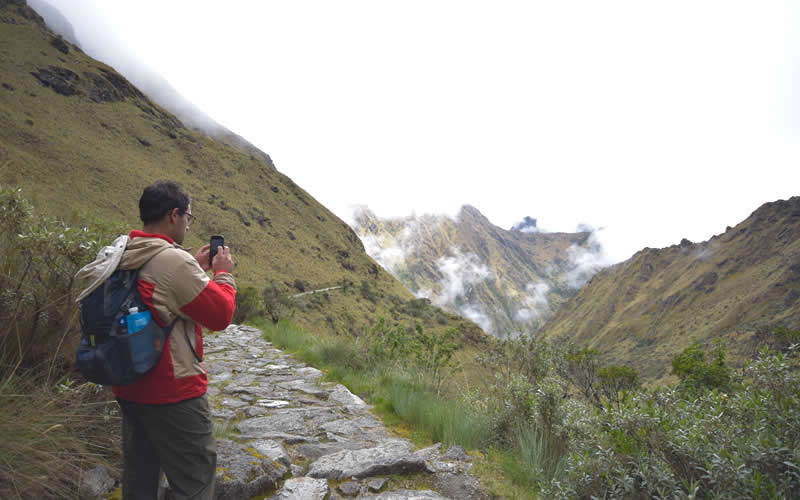
- Visibility: Fog and low-lying clouds are very common during the first two weeks of March. As the month goes on, the mist gradually begins to lift. It’s not constant—it comes and goes—adding a mystical atmosphere to the trek. However, it can sometimes limit visibility along certain sections of the trail. This is especially true on the second and third days, when mountain views are often partially or completely covered. In some cases, the clouds may even obscure the iconic first glimpse of Machu Picchu from the Sun Gate, which many trekkers look forward to.
Pros Of Hiking Inca Trail In March
- Freshly maintained trails and facilities: Following the annual maintenance closure in February, the Inca Trail reopens in excellent condition. Campsites are clean, toilets are well serviced, bridges are repaired, and the trail infrastructure is fully inspected and maintained.
- Lush flora and blooming orchids: March is part of the rainy season, which allows vegetation to flourish. and many species of orchids and other native plants are in full bloom, making this month especially attractive for nature lovers.
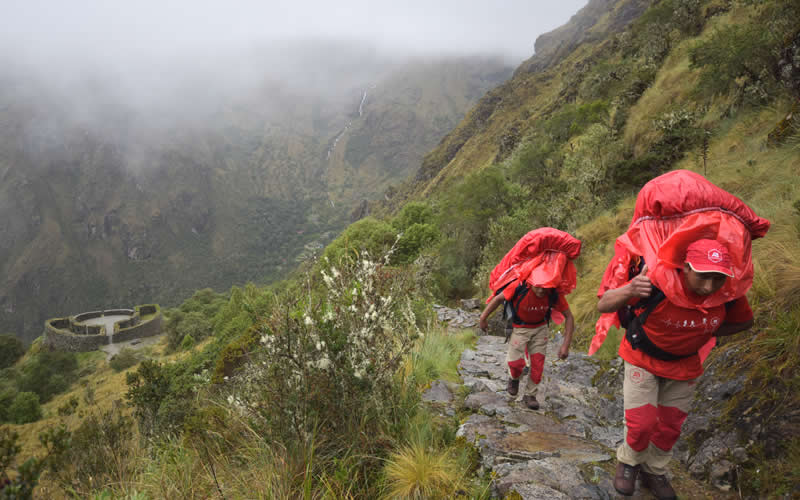
- Spectacular green landscapes: The valleys and surrounding mountains are covered in vibrant green vegetation during March. The combination of dense flora and misty hillsides creates impressive panoramic views and a unique atmosphere that is very different from the drier months.
- Better availability of permits for last-minute travelers: In March, especially during the first week, there is a higher chance of obtaining Inca Trail permits, making it a good option for those booking on short notice compared to peak season.
- Ideal Conditions for Photography and Time-Lapse Videos: The combination of clouds, fog, and shifting light creates excellent conditions for photography. The movement of clouds across the mountains provides perfect opportunities for dramatic time-lapse videos and atmospheric landscape shots.
- A Mysterious and Enchanting Atmosphere: Hiking through mist-covered mountains and reaching Machu Picchu surrounded by clouds creates a mystical setting. The fog enhances the sense of history and mystery, making the experience especially memorable.
- Frequent rainbows: The combination of rain showers and sunlight often produces impressive rainbow formations along the trail, offering memorable visual moments.
- Increased wildlife activity: During February, the Inca Trail is closed to visitors, allowing wildlife to return to its natural habitat with minimal disturbance. As a result, hikers in March may encounter more animals, such as Andean deer, birds, and, with great luck, even spectacled bears on quiet and sunny days.
Cons Of Hiking Inca Trail In March
- Frequent Train Delays: During the rainy season, small landslides and falling rocks are common along the railway between Aguas Calientes and Ollantaytambo. Track cleaning and safety inspections can cause train delays of one to three hours, affecting travel schedules before or after the trek.
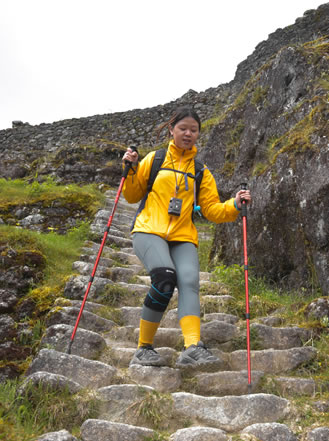
- Slippery and Challenging Trail Conditions: The constant rainfall during March makes the stone steps and paths slippery, increasing the risk of accidents. As a result, trekking shoes with good grip are mandatory to ensure safety while hiking, especially on steep staircases and narrow sections of the trail.
- Possible Delays Caused by Heavy Rainfall: March is part of the rainy season, and heavy showers may occur on certain days. Although the rain often lasts only one to two hours, it can temporarily slow the pace of the hike. This may result in shorter walking periods and later arrivals at the campsites.
- Reduced Visibility at the Sun Gate: On rainy or overcast days, mist and low clouds can obscure the view from the Sun Gate (Inti Punku). This means that some hikers may miss the classic first panoramic view of Machu Picchu upon arrival.
- Limited Mountain Views Due to Rain and Mist: On rainy days, panoramic views are often obscured, particularly at high points such as Dead Woman’s Pass and along sections of the trail on the third day. Moist air rising from the surrounding rainforest creates dense mist, which can cover the valleys and mountain peaks.
Recommendations
- Avoid Booking Flights on the Same Day of Return: Do not schedule your flight for the same day you return from the Inca Trail. During March, train delays between Aguas Calientes and Cusco are relatively common due to small landslides and falling rocks along the railway between Aguas Calientes and Ollantaytambo. Track cleaning and safety inspections can result in delays of one to three hours, which may affect travel schedules after the trek.
- Choose the Best Time Within March: If possible, plan your trek for the last two weeks of March. The first half of the month still experiences heavier rainfall, while during the final two weeks, heavy rains are less common. However, you may still encounter occasional light rain.
- Wear Proper Waterproof Clothing: Bring a high-quality rain jacket, rain pants, and fully waterproof hiking shoes. Trekking for several hours while wet can be uncomfortable and may lead to blisters or cold-related issues, especially in the high-altitude environment of the Andes.
- Protect Your Electronics with a Dry Bag: Carry a dry bag to protect your smartphone, camera, and other electronic devices. Sudden rain showers and high humidity are common in March, and proper protection will keep your equipment safe and functional.
- Use Trekking Shoes with Good Grip: Select trekking shoes with strong traction and reliable grip. Wet rocks and muddy paths are frequent along the trail in March, and proper footwear will significantly reduce the risk of slipping.
- Bring or Rent Trekking Poles: Trekking poles are highly recommended, particularly in wet conditions. They provide additional balance and support on steep and slippery sections of the trail, making your hike safer and less physically demanding.
- Book Inca Trail Permits in Advance: For travel during the last two weeks of March, it is advisable to reserve your 4-day Inca Trail permits at least two months in advance, as availability can still sell out and the best campsites are often taken first. For the first half of March, permits may be available with one month’s notice; however, early booking is still recommended to secure better campsite options.
- Stay Informed Through Official Updates: We highly recommend following us on Instagram at https://www.instagram.com/abexpeditions/. We regularly share monthly videos of the Inca Trail, updates on permit releases, changes in regulations, and important information such as strikes or any situations that may affect travel on the trail.
- Choose a Reputable Tour Company: In March, rain is still common, so it is important to book with a reliable operator that provides high-quality, waterproof tents and equipment. We recommend checking our TripAdvisor reviews, where previous travelers share their experiences and confirm the quality of our tents and overall service.
Do you have a rough idea of when the permits for March sell out by?
During the first week of March, the Inca trail permits never run out because it is still rainy season and many people try to avoid this time of year. However, for the last 2 weeks of March, the permits for the Inca Trail run out 1 month in advance because, in the last 2 weeks, the rain decreased.
- On March 12th, 2024. the permits for the 4-day Inca Trail trek were completely sold out for the fourth week of March.
- For the first, second, and third weeks of March, there was always availability. You could still find the permits even upon arrival to Cusco.
Frequent Asked Questions About Inca Trail In March
Can you hike the Inca Trail in March?
Yes, you can hike the Inca Trail in March. March marks the end of the rainy season in Peru, meaning the trail can be wet, with potentially challenging weather conditions. However, it is still a popular time to visit due to fewer crowds compared to the peak season.
What is the weather like on the Inca Trail in March?
The weather on the Inca Trail in March is typically characterized by the end of the rainy season, resulting in frequent rain showers and cloudy conditions.
Does It Rain In Inca Trail In March?
Yes, it rains on the Inca Trail in March. March falls within the wet season in the Andean region, which typically spans from November to March
Is March A Good Time To Do The Inca Trail?
March can be a good time to hike the Inca Trail, but it comes with some considerations. It marks the tail end of the rainy season in Peru, which means the trail might be less crowded, offering a more serene experience. However, trekkers should be prepared for possible rain, which can make the hike more challenging. Additionally, the lush, green landscapes post-rains provide stunning views, enhancing the scenic beauty of the trek.
What is the average temperature for the Inca Trail in March?
The average temperature for the Inca Trail in March typically ranges from 12 to 25 degrees Celsius (54 to 77 degrees Fahrenheit) during the day, with temperatures dropping to around 0 to 7 degrees Celsius (32 to 45 degrees Fahrenheit) at night.
Is Inca Trail open in March?
Yes, the Inca Trail typically remains open in March
Is Inca Trail Crowded In March?
In March, the Inca Trail tends to be less crowded due to it being the tail end of the rainy season in the region.


My name is Abel, and I am the co-founder of AB Expeditions, a local travel company based in Cusco. I was born in Chinchero, in the community of Chusso. My journey began working as a farmer, then later as a porter on the Inca Trail. After that, I studied to become a tour guide, learned English, and spent 20 years guiding different treks around the Cusco region.
Over the years, I began writing blogs about the treks I’ve done and sharing useful tips about traveling in Cusco. Eventually, I founded AB Expeditions to offer authentic travel experiences with a strong commitment to supporting local communities and creating unforgettable adventures for our guests.
- Abel

- Abel
- Abel
- Abel